How Self-Leveling Epoxy Flooring Enhances Commercial Properties
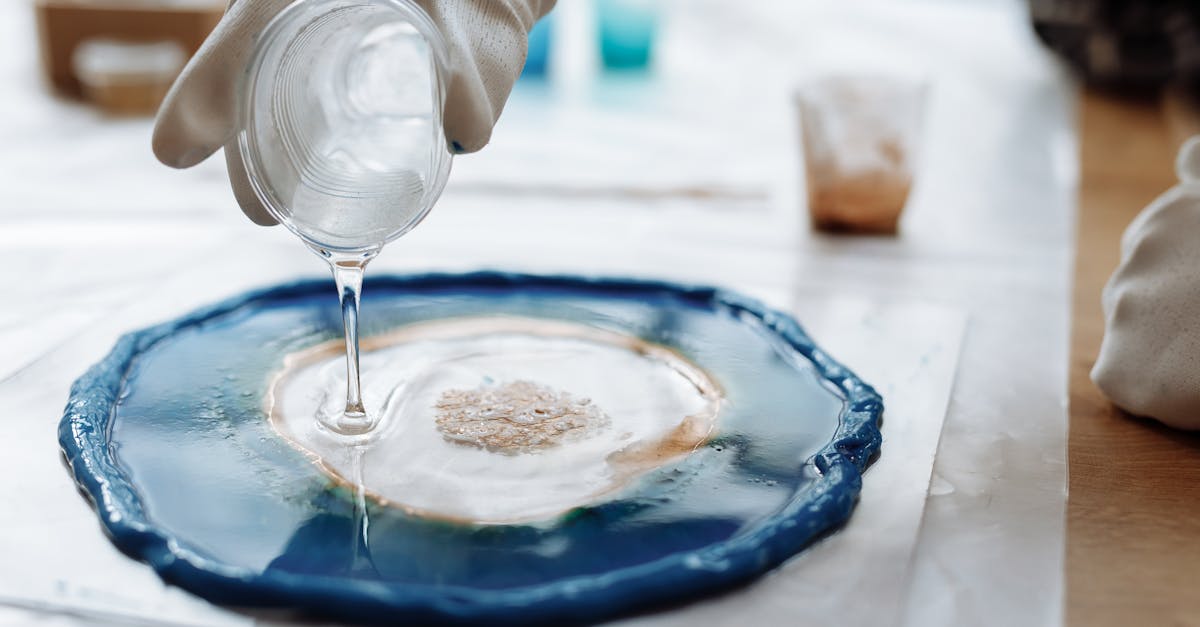
Table Of Contents
Application Process of Self-Leveling Epoxy
The application of self-leveling epoxy flooring begins with thorough surface preparation. This step is crucial to ensure proper adhesion and durability of the final finish. Firstly, the existing floor must be cleaned meticulously to remove any dirt, grease, or debris. Any previous coatings or imperfections are then repaired, and in many cases, a grinder or shot blaster may be used to prepare the surface adequately. Once the floor is smooth and clean, a primer is applied to enhance bonding between the substrate and the epoxy.
After the primer has cured, the self-leveling epoxy can be mixed and poured onto the floor. It is important to follow the manufacturer's instructions regarding mixing ratios and curing times to achieve optimal results. The epoxy is then spread evenly across the surface, allowing it to flow into any low spots and create a seamless layer. Depending on the desired finish, additional layers or decorative elements may be added before allowing the flooring to cure completely. This entire process requires careful attention to detail to ensure a flawless and long-lasting floor.
Steps to Achieve a Flawless Finish
Achieving a flawless finish with self-leveling epoxy flooring starts with meticulous preparation. The surface must be thoroughly cleaned to remove any dust, dirt, or grease. Any existing flooring materials should be removed, revealing a smooth base. Cracks and imperfections in the substrate need to be repaired to ensure proper adhesion. Priming the surface further enhances bonding, allowing the epoxy to lay down evenly.
Mixing the epoxy correctly is crucial for a seamless application. Following the manufacturer's instructions on the mixing ratio guarantees the right consistency and performance. Using a squeegee or roller, the epoxy should be spread evenly across the surface, ensuring it flows into all corners and crevices. Careful attention to detail during application will minimise imperfections, while maintaining consistent thickness throughout enhances the overall aesthetic appeal.
Environmental Considerations
The environmental impact of flooring materials has gained significant attention in recent years. Self-leveling epoxy flooring can be a more sustainable option compared to traditional materials. Many epoxy formulations now utilise low-VOC (volatile organic compounds) components, reducing harmful emissions during application. This shift towards greener formulations not only enhances indoor air quality but also aligns with the growing demand for environmentally conscious building practices.
Additionally, the durability of epoxy flooring contributes to its eco-friendliness. Its long lifespan means less frequent replacements, reducing waste and consumption of resources over time. Choosing self-leveling epoxy can also minimise the need for additional floor coverings, further decreasing environmental impact. Such considerations are essential for property owners looking to implement sustainable solutions without compromising on quality or aesthetic appeal.
Eco-Friendly Options Available
There are several eco-friendly options available in the realm of self-leveling epoxy flooring. Water-based epoxies are among the most popular choices, as they contain fewer volatile organic compounds (VOCs) compared to traditional solvent-based systems. These products not only help to enhance indoor air quality but also reduce the overall environmental impact during both application and long-term use. Moreover, many manufacturers are now producing epoxies that utilise recycled materials. This innovation contributes to sustainability while still providing the durability and aesthetic appeal that commercial properties require.
Another avenue for eco-conscious property owners is the selection of low-emission epoxies. These formulations are designed with a focus on delivering effective performance without compromising environmental standards. Many of these products carry certifications that affirm their commitment to sustainability. Using such materials can significantly contribute to a building's green rating, attracting businesses keen on reducing their carbon footprint. This approach not only showcases a commitment to environmental responsibility but may also resonate well with clients and tenants who value sustainable practices.
Enhancing Property Value with Epoxy Flooring
Epoxy flooring significantly elevates the aesthetic appeal of commercial properties, making them more inviting for clients and customers. A well-finished floor can create a lasting first impression, which is crucial in competitive markets. The glossy, smooth surface not only enhances visibility but also adds a level of professionalism that can be highly attractive to potential tenants or buyers.
Moreover, the durability of epoxy flooring contributes to its value proposition. Unlike traditional flooring options, epoxy can withstand heavy foot traffic and resist various types of damage, including stains and spills. This longevity reduces the need for frequent repairs or replacements, making properties with epoxy floors more appealing to investors seeking low-maintenance options in their portfolio.
Attracting Potential Tenants or Buyers
Modern commercial spaces require aesthetics and functionality to appeal to potential tenants or buyers, making self-leveling epoxy flooring an excellent choice. Its glossy finish and seamless appearance create a contemporary look that attracts various businesses. Facilities offering this flooring type are more likely to stand out, giving them a competitive edge in the real estate market. Increased visual appeal can also create a positive first impression, which is crucial when securing long-term tenants or buyers.
Additionally, the durability of epoxy flooring is a critical factor for businesses looking for sustainable investments. It withstands heavy foot traffic and is resistant to stains, chemicals, and moisture. This reliability assures prospective tenants that the flooring will require minimal maintenance over time. Furthermore, the flooring allows for a range of design options, enabling businesses to customise colours and finishes that align with their branding, further enhancing the perceived value of the property.
FAQS
What is self-leveling epoxy flooring?
Self-leveling epoxy flooring is a type of flooring material that is applied in a liquid form and hardens to form a smooth, durable surface. It is commonly used in commercial properties due to its ability to eliminate imperfections and provide a seamless finish.
How is self-leveling epoxy flooring applied?
The application process involves several steps including preparing the existing surface, mixing the epoxy resin and hardener, pouring the mixture onto the floor, and using a trowel or roller to spread it evenly. It typically requires a professional to ensure a flawless finish.
Are there environmentally friendly options for epoxy flooring?
Yes, there are eco-friendly epoxy flooring options available. These alternatives are made with low VOC (volatile organic compounds) formulations, which are less harmful to the environment and indoor air quality.
How does self-leveling epoxy flooring enhance property value?
Self-leveling epoxy flooring enhances property value by providing a modern, attractive appearance that can appeal to potential tenants or buyers. Its durability and low maintenance requirements also make it an attractive feature for commercial properties.
Can self-leveling epoxy flooring be used in all commercial settings?
While self-leveling epoxy flooring is versatile and can be used in many commercial settings, it is important to assess the specific requirements of the space, such as foot traffic, exposure to chemicals, and moisture levels, to ensure it is the right choice.
Related Links
Cost Comparisons: Self-Leveling Epoxy vs Traditional FlooringCommon Misconceptions About Self-Leveling Epoxy Flooring
How to Achieve a Perfect Finish with Self-Leveling Epoxy
Understanding the Self-Leveling Epoxy Installation Timeline
Colour Options and Aesthetics of Self-Leveling Epoxy Flooring